





International Beef Market in H2 2026: Prices to Stabilize with No Major Fluctuations
International Beef Market in H2 2026: Prices to Stabilize with No Major Fluctuations
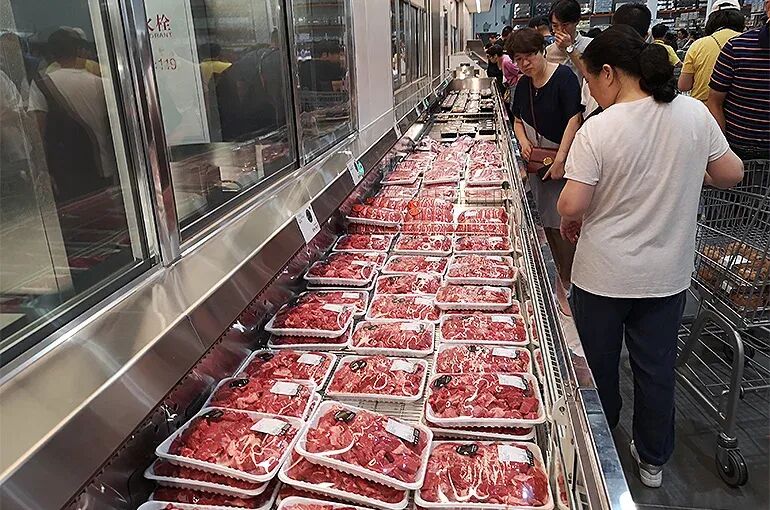
After hitting a record high of over $6,000 per ton in May, Uruguayan beef export prices have retreated to around $5,800 per ton in recent weeks. Broker Juan Leyma expects prices to stabilize in the second half of the year, with a possible mild downward correction but no sharp fluctuations.
"I believe current prices are in a high range and may pull back, but the second half will not see a growth trend; instead, it will be mainly stable with modest adjustments," Leyma said. Demand from the US remains intact, while fundamental factors of tight supply continue to underpin the market.
China’s beef imports rose 16% to 20% year-on-year in the first half, with import value increasing by approximately 40%. This purchasing strategy was designed to address potential supply shortages in the second half as quotas from Australia and Brazil were both exhausted early. However, Chinese consumption has not grown in tandem: while imports surged by as much as 20%, the US Department of Agriculture forecasts that consumption may decline by 8%, leaving China with an estimated stockpile of 800,000 to 1 million tons of imported product.
This inventory level allows China to navigate the July–September period—when quotas from both Brazil and Australia are fully used up—without being forced to accept higher prices. While China may struggle to push import prices significantly lower, it has taken steps to avoid a sharp price spike amid the temporary exit of the two major suppliers.
Shipments under 2027 quotas will begin in October, and China may need to step up procurement efforts toward the end of the year. Import prices have softened in recent weeks, falling by $200 to $300 per ton depending on the cut.
How Brazil will manage its 2027 quota remains a key unknown. Having ramped up exports sharply starting in January this year, the country may adopt a more gradual approach to market entry next year while exploring alternative markets.
In the United States, signs point to another two years of beef shortages in 2026 and 2027, with a cyclical shift expected in 2028—when heifer retention will increase, calf numbers will rise, and beef production will gradually recover thereafter.
Lingxian Cloud Frozen Products
乌拉圭牛肉出口价格在5月突破每吨6,000美元创下纪录后,近几周已回落至每吨5,800美元左右。经纪商胡安·莱马预计,下半年价格将趋于稳定,可能伴随小幅下行调整,但不会出现剧烈波动。
“我认为当前价格已处于高位区间,可能有所回调,但下半年不会是增长走势,而是稳定为主,伴随小幅调整。”莱马表示。美国需求依然存在,而供应不足的基本面因素持续支撑市场。
上半年中国牛肉进口量同比增长16%至20%,进口额增长约40%。这一采购策略旨在应对下半年因配额用尽可能出现的供应短缺——澳大利亚和巴西均已提前完成配额。然而,中国消费并未呈现同步增长:进口量增加高达20%,但据美国农业部预测,消费量可能下降8%,导致中国目前估计持有80万至100万吨进口产品库存。
这一库存水平使中国在7至9月(巴西和澳大利亚配额均已用尽)期间能够从容应对,无需接受更高价格。中国可能难以大幅压低进口价格,但已采取措施避免因两大供应国暂时退出而面临价格急剧上涨。
2027年配额的发运将从10月开始,中国到年底可能需要加大采购力度。近几周进口价格已出现松动,根据不同部位每吨下跌200至300美元。
巴西在2027年如何管理配额仍是一个关键未知数:今年1月起巴西即大举出口,明年可能采取更渐进的方式进入市场,同时探索其他替代市场。
在美国,迹象显示2026年和2027年将是又一个牛肉短缺的两年,预计2028年将迎来周期转变——届时母牛留养将增加,犊牛数量增多,牛肉产量将从那时起逐步恢复。
本文来源:领鲜云冻品
更多精彩内容,请关注冻品e港H5端或公众号

关注微信公众号


中国 “胃” 动力嫁接全球优质 “冻品” 资源
正直诚实,客户至上。技术引领,创造价值。
北京市朝阳区望京东园七区保利国际广场T2十层
Copyright © 2018-2026 CCII 京公网安备 11010502045159号 京ICP备19005119号营业执照(统一社会信用代码): 91110105MA01BRYAXR 食品经营许可证:JY11105012278523 增值电信业务经营许可证:合字B2-20190053
