





The EU notice formally confirms a ban on imports of chicken, beef and other products from Brazil starting September
The EU notice formally confirms a ban on imports of chicken, beef and other products from Brazil starting September
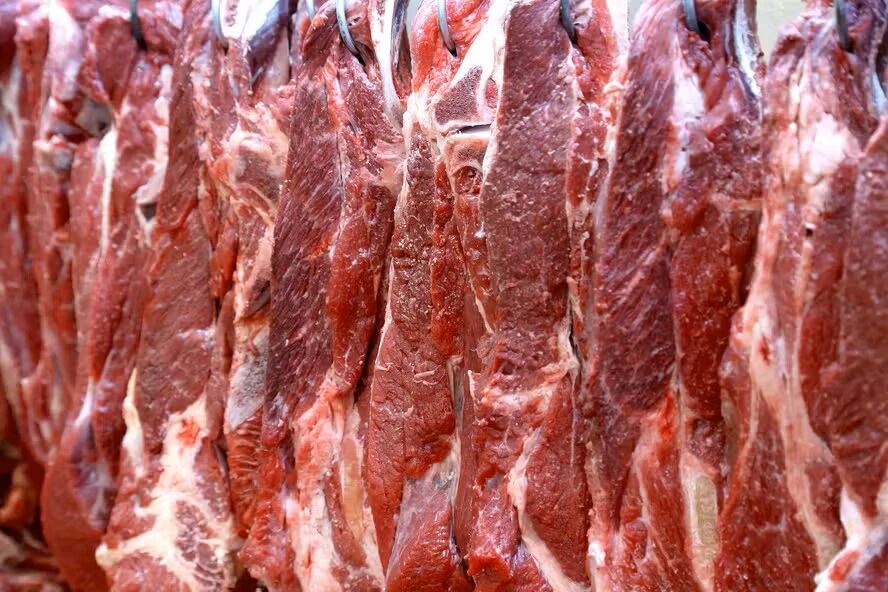
The European Union has formally removed Brazil from the list of countries authorised to export meat, tripe, fish and honey to the bloc, with the measure taking effect on 3 September. The decision, published in the Official Journal of the European Union, had been foreshadowed weeks earlier following the provisional entry‑into‑force of the trade agreement between the Southern Common Market (Mercosur) and the EU.
According to the European Commission, Brazil has failed to fully demonstrate compliance with sanitary requirements relating to antimicrobial use across its entire production chain. The core issue behind the decision is not whether products are contaminated, but rather the country’s capacity for traceability, certification, and provision of documentary evidence of production practices adopted by producers.
Although the Brazilian government banned certain antimicrobials used for animal growth promotion in April, the EU deems these measures insufficient. These rules form part of the One Health policy aimed at curbing the overuse of antibiotics, and include restrictions on substances such as virginiamycin, avoparcin, tylosin, spiramycin, avilamycin and bacitracin.
The EU is one of the major destinations for Brazilian animal proteins, particularly beef, which heightens the potential impact of the measure on the export sector.Source of this article:
Lingxian Cloud Frozen Products
欧盟已正式将巴西从可向该共同体出口肉类、牛肚、鱼类和蜂蜜的国家名单中移除,措施自9月3日起生效。该决定在欧盟官方公报上发布,此前数周在南方共同市场与欧盟贸易协定临时生效后已有预告。
据欧盟委员会称,巴西未能完全证明其在整个生产链中符合与抗菌素使用相关的卫生要求。该决定的核心问题不在于产品是否受到污染,而在于其追溯、认证和提供生产者所采用做法的文件证明的能力。
尽管巴西政府已于4月禁止了部分用于促进动物生长的抗菌素,但欧盟认为这些措施尚不充分。这些规则是“一体化健康”政策的一部分,旨在遏制抗生素的过度使用,并包含对维吉尼亚霉素、阿伏霉素、泰乐菌素、螺旋霉素、阿维拉霉素和杆菌肽等物质的限制。
欧盟是巴西动物蛋白(尤其是牛肉)的主要目的地之一,这使得该措施对出口行业的潜在影响更为显著。
本文来源:领鲜云冻品
更多精彩内容,请关注冻品e港H5端或公众号

关注微信公众号


中国 “胃” 动力嫁接全球优质 “冻品” 资源
正直诚实,客户至上。技术引领,创造价值。
北京市朝阳区望京东园七区保利国际广场T2十层
Copyright © 2018-2026 CCII 京公网安备 11010502045159号 京ICP备19005119号营业执照(统一社会信用代码): 91110105MA01BRYAXR 食品经营许可证:JY11105012278523 增值电信业务经营许可证:合字B2-20190053
