





Middle East Conflict Brazilian Exporters Adjust Shipping Routes for Beef and Chicken
Middle East Conflict: Brazilian Exporters Adjust Shipping Routes for Beef and Chicken
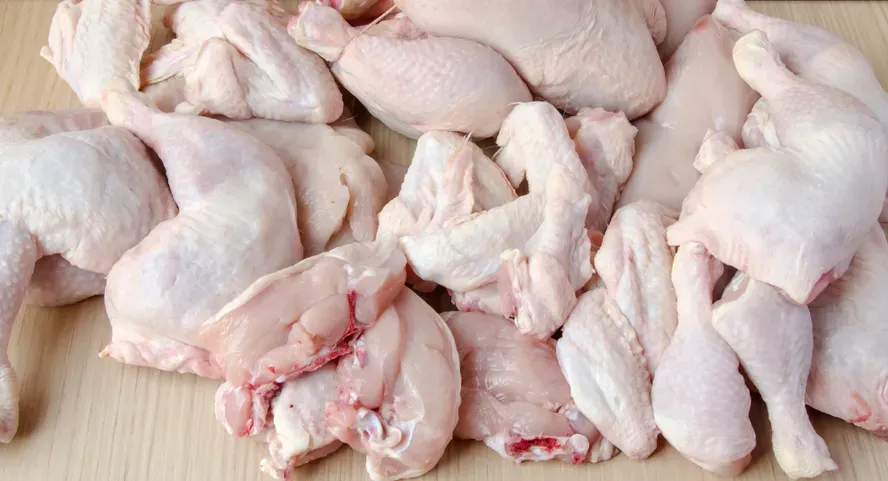
According to Reuters, the armed conflict involving the United States, Israel and Iran has led to the near closure of the Strait of Hormuz, forcing Brazilian beef and chicken exporters to adjust shipping routes and bear higher costs to maintain supply flows. The conflict has increased operational risks for Brazil's two major meat export sectors, with the chicken business—highly dependent on the Middle East market—being particularly affected.
However, Brazilian exporters note that they are developing alternative sea and land transport routes to serve Middle Eastern buyers, while strong demand from other regions is helping cushion the impact on beef trade.
As the world's largest beef exporter, Brazil has redirected some exports to markets including the United States, the European Union, Chile and Russia, according to the Brazilian Association of Beef Exporters. Tight global cattle supplies are also underpinning demand. The association reported that in the first two months of 2026, Brazil's exports of fresh and processed beef (including offal and other by-products) reached $2.865 billion, a year-on-year increase of 39%, with export volume hitting 557,240 tonnes, up 22% year on year. Reuters also noted that the Brazilian beef industry is adapting to China's import safeguard measures, which cap Brazil's low-tariff export quota at 1.1 million tonnes; any shipments exceeding this volume are subject to a high 55% tariff.
New Routes for Chicken Shipments
Ricardo Santin, president of the Brazilian Animal Protein Association, told Reuters that chicken export volume in March is expected to surpass the 476,000 tonnes recorded in the same period last year. Despite the logistical crisis, Brazilian chicken exporters continue to ship to key Middle Eastern markets, he said.
To keep cargo moving, chicken exporters have rerouted shipments via the Red Sea and Suez Canal, using alternative ports and overland transport to deliver products to buyers in Iraq, Qatar, the UAE and other regional markets. These alternative solutions take longer and cost more, with additional expenses for fuel, storage, shipping and war risk being shared by importers seeking to maintain inventory levels.
Data from consulting firm Datagro shows that the Middle East accounted for roughly 30% of Brazil's total chicken exports in 2025, making the poultry sector one of the country's agricultural industries hardest hit by the conflict. Even so, Santin told Reuters there are no signs of oversupply in the domestic market.
Source of this article: Lingxian Cloud Frozen Products
路透社报道指出,美以伊武装冲突导致霍尔木兹海峡近乎关闭,迫使巴西牛肉和鸡肉出口商调整货运路线并承担更高成本,以维持供应流通。这场战争增加了巴西两大肉类出口业务的经营风险,其中对中东市场依赖度较高的鸡肉业务受影响尤甚。
然而,巴西出口商表示,他们正在开辟替代性海陆运输路线以服务中东买家,同时其他地区的强劲需求也在帮助缓冲对牛肉贸易的冲击。
巴西牛肉出口工业协会表示,作为全球最大牛肉出口国,巴西已将部分出口转向美国、欧盟、智利和俄罗斯等市场,而全球牛源供应趋紧也为需求提供了支撑。该协会称,2026年前两个月,巴西鲜牛肉及加工牛肉(含内脏及其他副产品)出口额达28.65亿美元,同比增长39%,出口量达55.724万吨,同比增长22%。路透社同时指出,巴西牛肉行业正在适应中国的进口保障措施。该措施将巴西享受较低关税的出口配额限定为110万吨,超出部分将适用55%的高额关税。
鸡肉新航线巴西动物蛋白协会主席里卡多·桑廷向路透社表示,3月出口量有望超过去年同期的47.6万吨。他表示,尽管面临物流危机,巴西鸡肉出口商仍继续向中东主要市场发货。
为维持货物运输,鸡肉出口商已将货运路线调整至红海和苏伊士运河,并利用替代港口和陆路运输将产品送达伊拉克、卡塔尔、阿联酋等地区买家手中。这些替代方案耗时更长、成本更高,而燃料、仓储、运输及战争风险的额外成本,正由旨在维持库存水平的进口商共同分担。
据咨询机构Datagro统计,2025年中东市场占巴西鸡肉出口总量约30%,使家禽业成为巴西受此次冲突影响最严重的农业领域之一。即便如此,桑廷向路透社表示,国内市场尚未出现供应过剩的迹象。
本文来源:领鲜云冻品
更多精彩内容,请关注冻品e港H5端或公众号

关注微信公众号


中国 “胃” 动力嫁接全球优质 “冻品” 资源
正直诚实,客户至上。技术引领,创造价值。
北京市朝阳区望京东园七区保利国际广场T2十层
Copyright © 2018-2026 CCII 京公网安备 11010502045159号 京ICP备19005119号营业执照(统一社会信用代码): 91110105MA01BRYAXR 食品经营许可证:JY11105012278523 增值电信业务经营许可证:合字B2-20190053
