





Argentina's cattle slaughter volume dropped significantly in October, while abundant forage drove a sharp rise in cattle prices
Argentina's cattle slaughter volume dropped significantly in October, while abundant forage drove a sharp rise in cattle prices
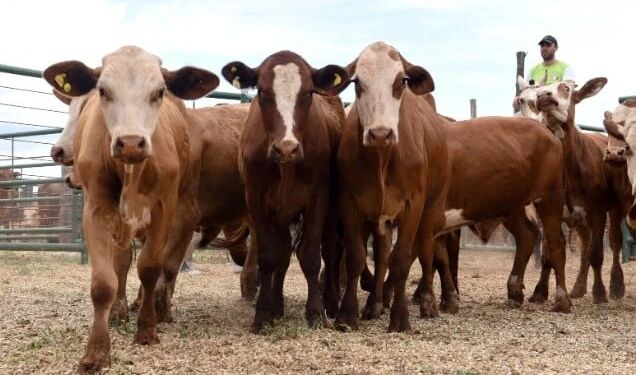
Data from Argentina's National Service of Health, Food and Quality (SENASA) shows that the number of cattle slaughtered as declared by producers in October reached 1.138 million head, a 11% decrease compared with the same period last year. While the final data is yet to be confirmed, the decline in slaughter volume is a foregone conclusion. Against the backdrop of sustained strong domestic and foreign consumption, this is driving up prices, with supply contraction observed across all livestock categories.
The supply decline is partly attributed to abundant rainfall. The humid conditions have allowed breeders to fatten and retain cattle at lower costs, while muddy pastures have also increased the difficulty of marketing livestock. Additionally, the current period coincides with the seasonal low supply season: the supply of steers and cows has decreased, coupled with long-standing structural supply constraints—supplies of heavy steers have been continuously declining, and cow numbers will further shrink in 2025 due to improved conception rates, which is undoubtedly a positive signal for breeders.
The tightening supply is directly reflected in the price trends at the Cañuelas Agricultural and Livestock Market. Live cattle prices generally rose last week, and industry insiders expect this trend to continue strengthening by the end of the year.
The average price of steers reached 3,500 pesos at the end of October, a 15% increase from the end of September. Notably, heavy steers weighing over 450 kilograms commanded a significant premium, with most transactions in the market reaching 4,000 pesos per live kilogram by the end of the month. For export-grade steers, the carcass price ranged from 6,300 to 6,500 pesos per kilogram last week. This week, through the Faenar TV auction organized by Alfredo Mondino S.A., the transaction price has risen to 6,600 to 6,900 pesos per kilogram, with the highest price hitting 7,000 pesos (transportation costs extra), representing a weekly increase of 10%.
The strong upward trend in steer prices has also driven up the prices of bulls and heifers, although the growth rates are relatively moderate. The average price of bulls stood at 3,550 pesos at the end of the month, a 11% increase; heifers closed at 3,350 pesos, up 3%; cows finished at 2,800 pesos, with a monthly surge of 14%.
In addition to the rising prices of slaughter cattle, the calf market has also strengthened. This week, the average price of male calves weighing 150-180 kilograms was approximately 5,000 pesos, while the transaction range for 180-200 kilogram calves was 4,600-4,800 pesos. Notably, heavy calves, which traditionally have the lowest unit price, achieved a counter-trend increase. This is mainly driven by strong purchases from exporters seeking to quickly secure fattening supplies, with this category also reaching transaction prices of 4,600-4,800 pesos.
Currently, feed supplies on ranches are sufficient, coinciding with a rare prosperous spring season. Breeders are leveraging forage resources to absorb the pressure of price increases. At this moment, all industry participants are eager to expand their livestock inventories.
Source of this article: Lingxian Cloud Frozen Products
阿根廷国家农业食品卫生与质量局数据显示,10月生产者申报的屠宰量为113.8万头,较去年同期下降11%。虽然最终数据尚待确认,但屠宰量下降已成定局,在国内外消费持续走强的背景下正推动价格上涨,且所有牲畜类别均出现供应收缩。
供应下降部分得益于充沛降雨。湿润环境使得养殖者能以较低成本增重留栏,同时泥泞场地也增加了牲畜出栏难度。此外,当前正值季节性供应淡季:阉牛与母牛供应量减少,叠加多年来的结构性供应紧张——重型阉牛供应持续衰减,而2025年母牛因受孕率提升进一步缩减,这对育种者而言无疑是积极信号。
供应收紧直接体现在卡涅拉斯农牧交易市场(Cañuelas Agricultural and Livestock Market)的价格走势上。上周交易活牛价格普遍上涨,从业者预计这一趋势将在年末持续强化。
十月末阉牛均价达3500比索,较9月末上涨15%。需特别说明的是,450公斤以上重型阉牛溢价明显,月末该市场多数交易达到4000比索/活重公斤。出口级阉牛上周胴体价在6300-6500比索/公斤,本周通过阿尔弗雷多·蒙迪诺公司举办的Faenar电视拍卖会,成交价已升至6600-6900比索/公斤,最高价达7000比索(需另计运输成本),周涨幅达10%。
阉牛的强劲涨势同时带动公牛与小母牛价格,尽管涨幅相对温和。公牛月末均价3550比索,上涨11%;小母牛收于3350比索,涨幅3%;母牛则以2800比索收官,月涨幅达14%。
除屠宰牲畜价格攀升外,犊牛行情同样走强。本周150-180公斤公犊均价约5000比索,180-200公斤交易区间为4600-4800比索。值得注意的是,传统单价最低的重型犊牛实现逆势上涨,这主要源于出口商为快速获取育肥货源强劲采购推动,该类别同样达成4600-4800比索成交价。
当前牧场饲料供给充足,正值难得的丰茂春季,养殖者正通过草料资源消化价格上涨压力。此刻,所有从业者都渴望扩大存栏规模。
本文来源:领鲜云冻品
更多精彩内容,请关注冻品e港H5端或公众号

关注微信公众号


中国 “胃” 动力嫁接全球优质 “冻品” 资源
正直诚实,客户至上。技术引领,创造价值。
北京市朝阳区望京东园七区保利国际广场T2十层
Copyright © 2018-2026 CCII 京公网安备 11010502045159号 京ICP备19005119号营业执照(统一社会信用代码): 91110105MA01BRYAXR 食品经营许可证:JY11105012278523 增值电信业务经营许可证:合字B2-20190053
